Tips For a Successful Directed Session
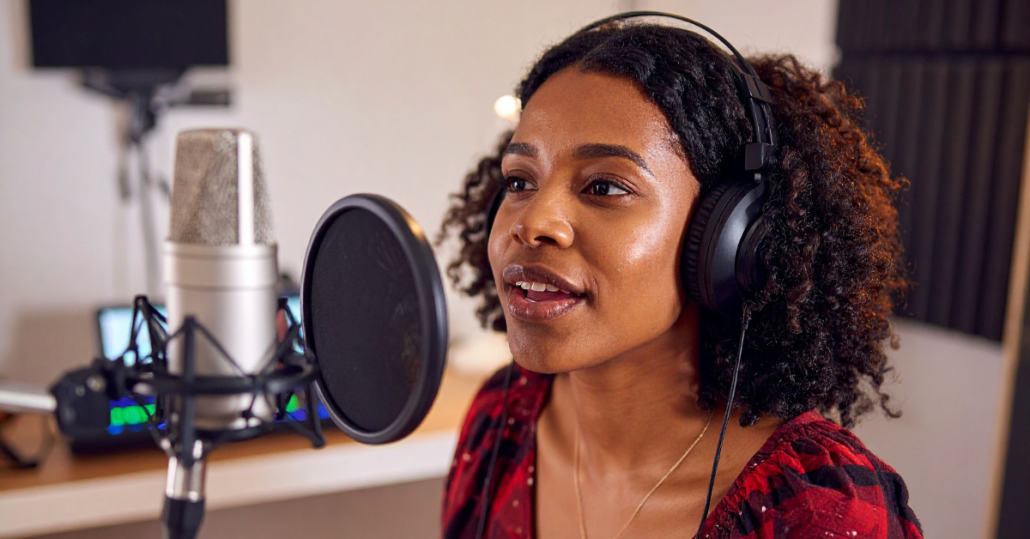
You’ve listened to over 100 auditions, waited for feedback from the client, and have finally decided upon the perfect voice actor for the project. Now it’s time to decide whether you want
the voice actor to record the script on their own and send you the audio files, or if you want a directed session.
A directed session ensures you get the dynamic read you’re seeking the first time, rather than listening to multiple files from the voice actor, trying to capture the tone you want, or correcting
pronunciations.
How can you make a directed voice-over session a positive experience for you, your client, and the talent?
1. Make sure time zones are clear when scheduling the sessions. Is your session at 10am EST, CMT, or UK?
2. Inform the talent of expectations. What platform will you be utilizing? Is it a Source Connect session with an audio engineer, or do you want the talent to record the session?
How soon do you want the audio file after the session? What format do you want to receive the audio file? Getting these questions answered upfront will avoid confusion and
frustration later.
3. Provide the final script to the voiceover actor at least 24 hours before the session, if possible. Give the talent an opportunity to review and warm up to the words before the
session. Reviewing the script helps prepare the voice actor. You’ve heard Alexander Bell’s saying, “Before anything else, preparation is the key to success.” This statement
includes directed sessions. The last thing you want is the voice actor to stumble over words in front of your client because they haven’t had a chance to review the script. Of
course, there are times when alt lines are added during the session, and that’s fine. At least the voice actor understands the script.
4. Provide a pronunciation guide before the session. This saves time for people who have to make calls to figure out how names should be pronounced.
5. Finally, identify the person who will direct the session. A directed session runs smoothly when there’s an identified director, the creative team, and the client are all on the same
page. It’s also helpful if the director is the individual speaking to the talent during the session.
6. Enjoy the collaborative process of bringing the script to life.
Hopefully, these tips will lead to successful directed sessions. Happy recording!
–Kenita Hill, Voice Actor